















Most countries make wine above ground.
In wooden barrels.
In steel tanks.
Inside rooms designed to control temperature.
Georgia does something different.
It lowers its wine into the EARTH.
Not to hide it.
Not simply to store it.
But because, thousands of years before machines could regulate temperature, Georgian winemakers understood that the ground beneath their feet could do it naturally.
Beneath the floors of family wine cellars across Georgia, enormous clay vessels have waited in darkness for generations.
They are called QVEVRI.
And they are not simply containers.
They are an entire winemaking system.
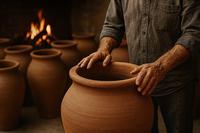
A Qvevri is an egg-shaped earthenware vessel made entirely from clay.
Some hold only enough wine for one family.
Others are large enough to contain hundreds or even thousands of litres.
They have no handles.
No flat base.
Nothing that suggests they were ever designed to travel.
Because a Qvevri was not created to be moved.
It was created to become part of the place where the wine was made.
An amphora travels.
A Qvevri STAYS.
Once completed, it is lowered into the ground until only its circular opening remains visible above the floor.
The earth surrounds it.
Supports it.
Insulates it.
And protects the wine inside from sudden changes in temperature as the seasons pass above it.
No refrigeration.
No electric controls.
No machinery constantly adjusting the conditions.
Only clay.
Earth.
Time.
And the knowledge of when to wait.
Before There Is Wine, There Is Clay
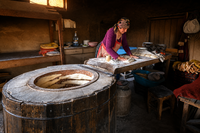
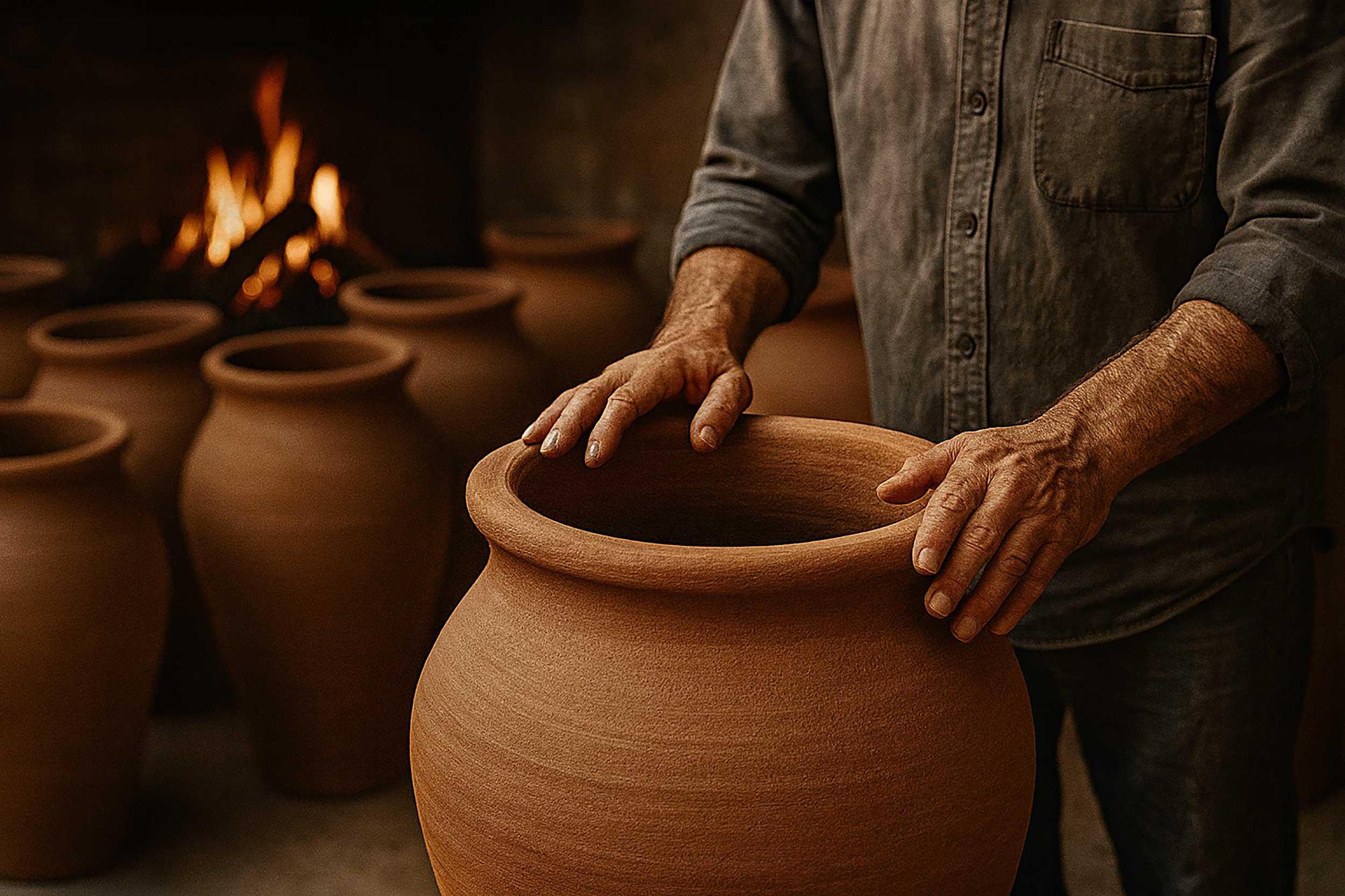
Our Art of Qvevri experience takes you to Atsana village in Guria, where a family of master potters still creates authentic Qvevris for Georgian winemakers.
Enter a real working studio, discover how these enormous vessels are built and fired, shape the clay with your own hands and meet the people protecting one of Georgia’s most extraordinary living crafts.
This is not simply a wine experience.
It is the story that begins before the first grape is ever pressed.
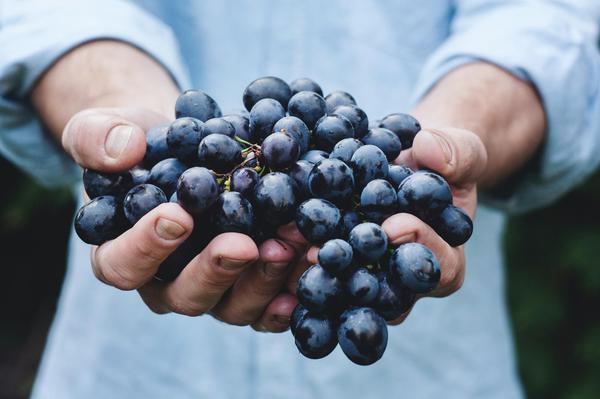
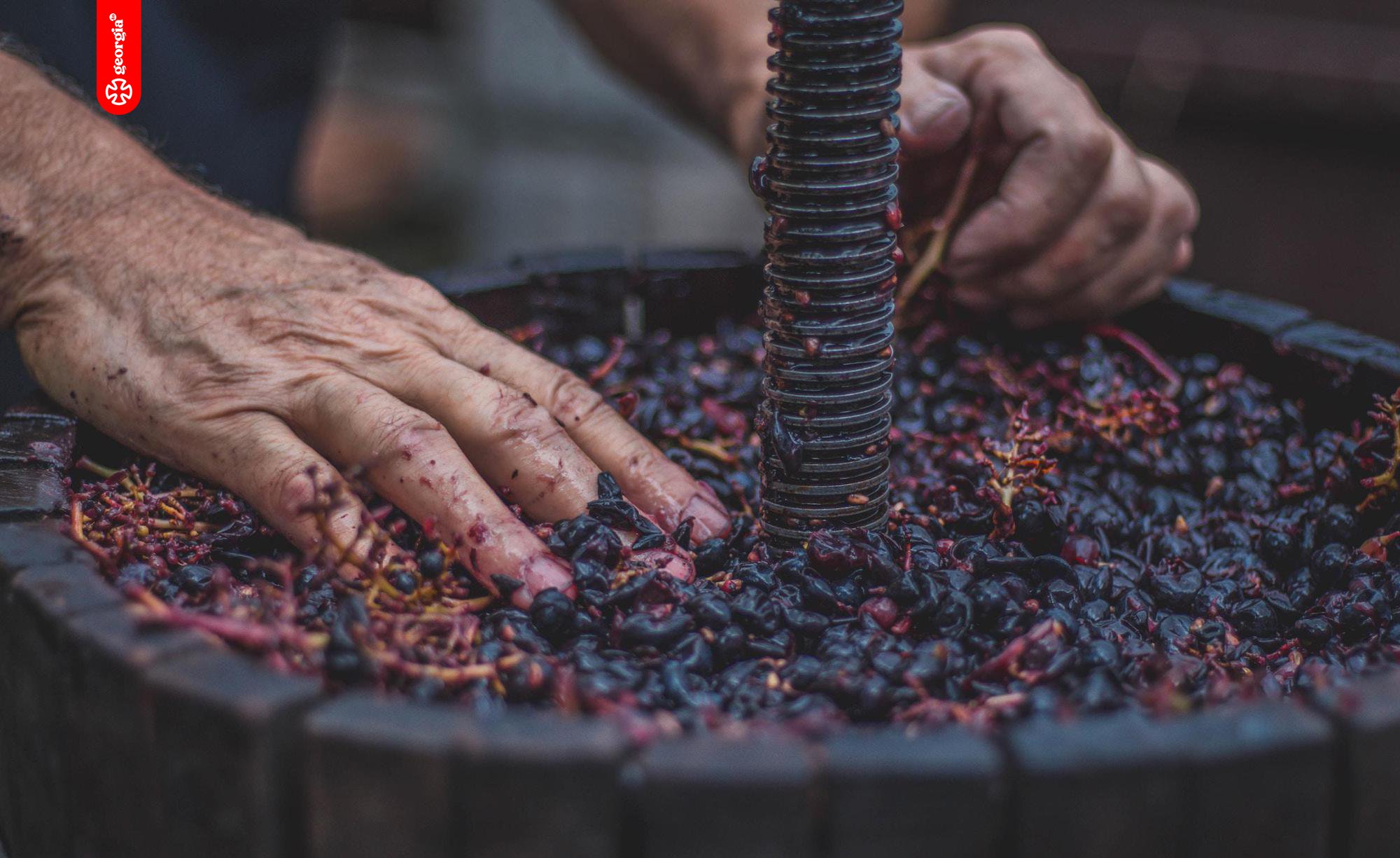
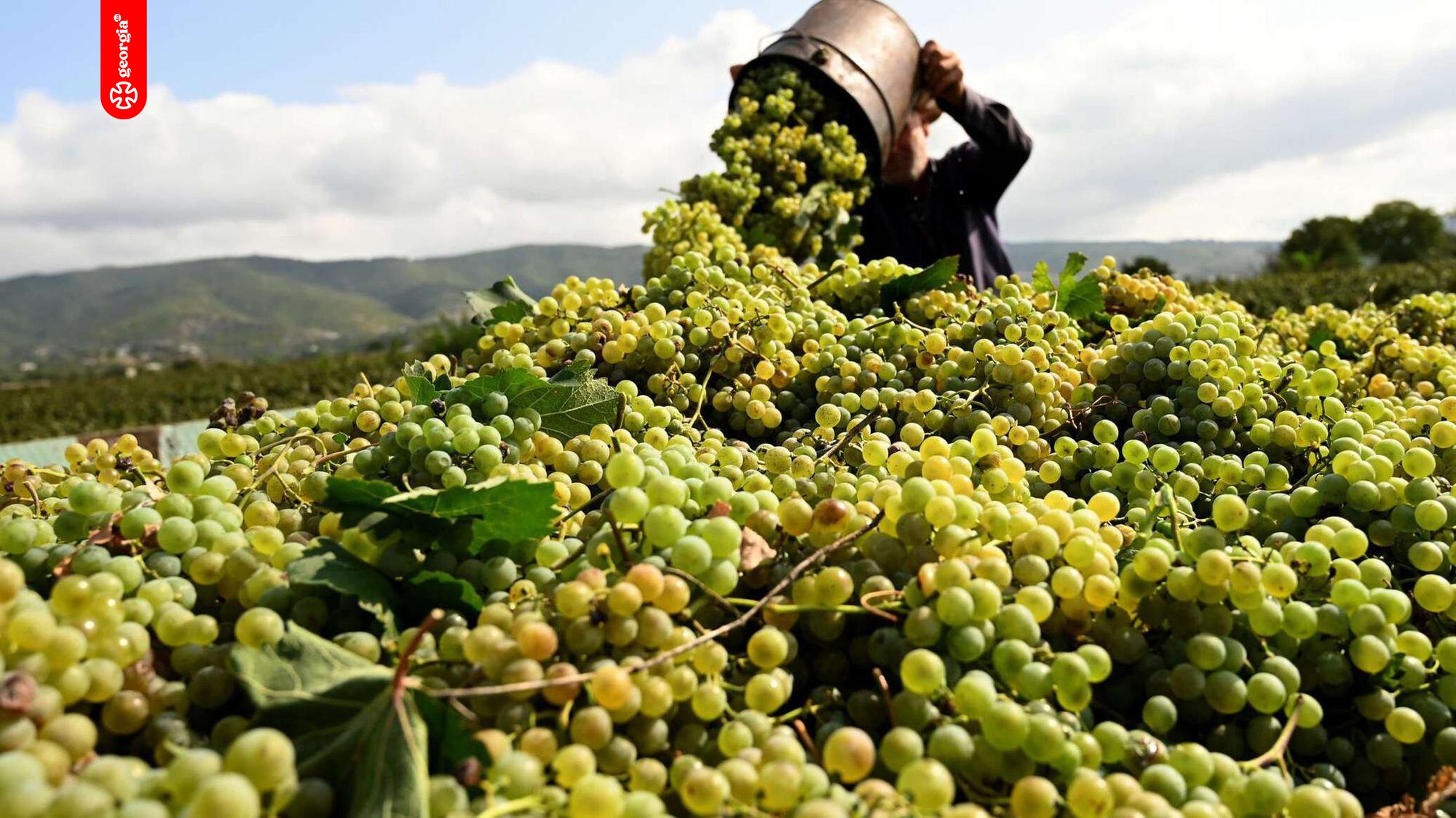
During RTVELI — the Georgian grape harvest — the grapes are gathered, pressed and placed inside the Qvevri.
But Georgian winemaking does not always separate the juice from everything that surrounded it.
Depending on the region and the method, the grape skins, seeds and sometimes even the stems may enter the vessel too.
Nothing is rushed away.
Fermentation begins.
The grape mixture is stirred regularly while the wine is active.
Then, when the first stage of fermentation is complete, the Qvevri is filled, closed and sealed.
And the wine is left beneath the ground.
Through autumn.
Through winter.
Sometimes until spring.
While life continues above it, the wine changes quietly below.
The solids gradually settle into the narrow base of the vessel.
The wine becomes clearer.
Its colour deepens.
Its structure develops.
The earth asks for nothing.
It simply gives the wine the stable environment it needs to become itself.
But there is no single “Qvevri wine.”
Georgia is far too diverse for that.
In KAKHETI, eastern Georgia’s great wine region, white grapes may remain with their skins, seeds and stems for months.
The result can be powerful.
Structured.
Tannic.
Deep gold or amber in colour.
This is the origin of what the international wine world often calls ORANGE WINE.
But in Georgia, the preferred name is AMBER.
Only white grapes transformed by extended contact with their own skins.
Travel west to IMERETI and the same vessel tells a different story.
Here, winemakers traditionally use a smaller proportion of grape solids and often leave out the stems.
The wines tend to become lighter.
Brighter.
More delicate.
Even the vessel may be called by another name:
CHURI.
The clay remains.
The philosophy remains.
But the expression changes with the landscape, the grape variety and the hands of the person making it.
The Qvevri does not force every wine to become the same.
It gives every region a different way to speak.
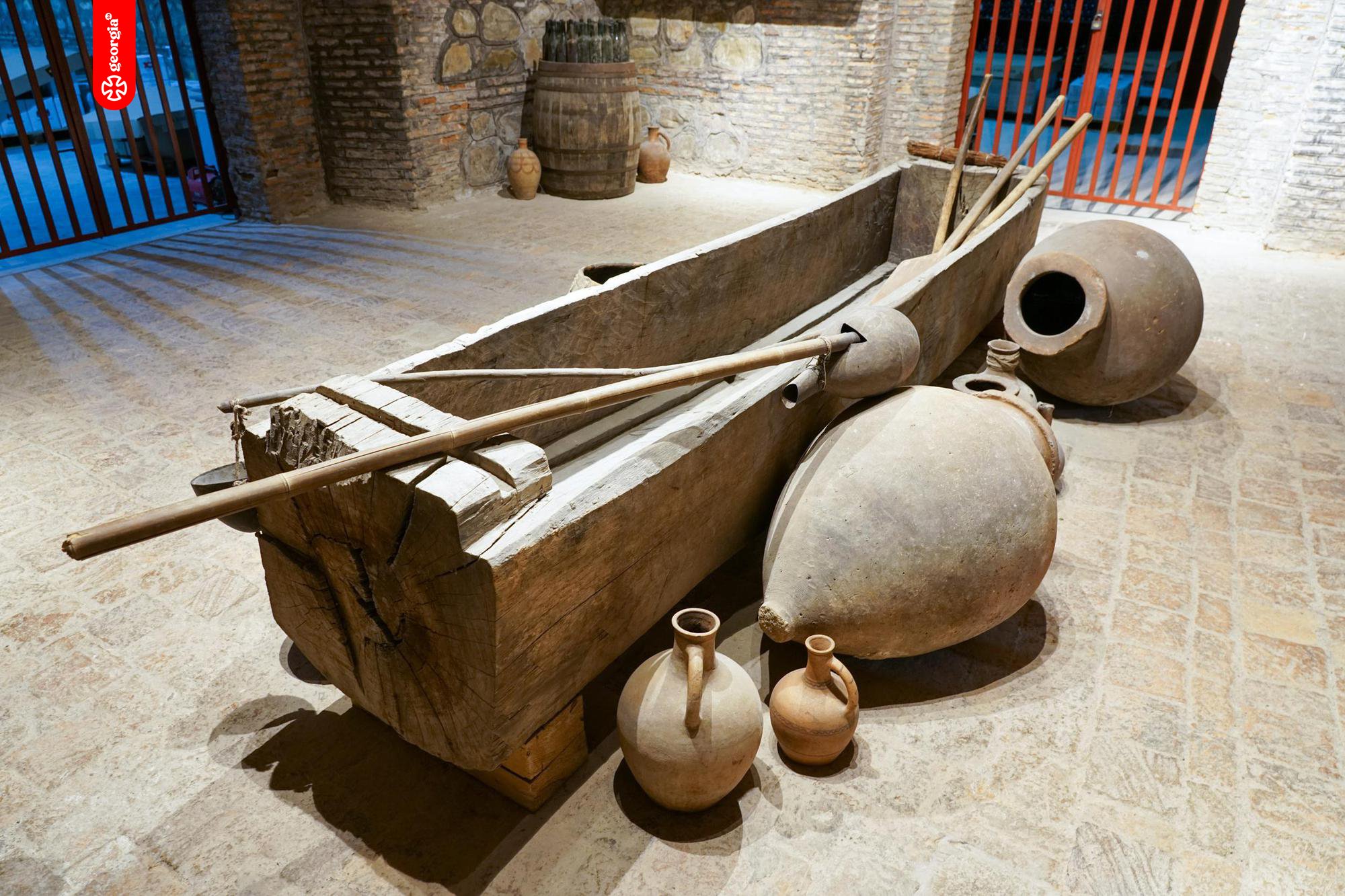
Georgia’s relationship with wine reaches back approximately 8,000 years.
At the Neolithic settlements of Gadachrili Gora and Shulaveris Gora, around fifty kilometres south of modern Tbilisi, archaeologists discovered traces of grape wine absorbed into ancient pottery.
The vessels dated to approximately 6,000–5,800 BC.
Before the pyramids.
Before Stonehenge.
Before most of the civilizations whose wines later became famous.
The people living there left no written explanation of what wine meant to them.
But they left the vessels.
They left traces of grapes.
And they left proof that fermentation had already become part of settled human life in this land.
Those ancient jars were not identical to the Qvevris used in Georgia today.
But the essential idea was already there:
GRAPES.
CLAY.
FERMENTATION.
PATIENCE.
Long before Georgia wrote its history, it was already entrusting wine to the earth.

Yet before a single grape can enter a Qvevri, someone must create the vessel itself.
And that may be the most overlooked part of the entire story.
A Qvevri is not produced in a mould within a few hours.
It is raised slowly by hand.
Layer by layer.
Ring by ring.
A craftsperson adds only as much clay as the vessel can support before allowing it to dry and continuing higher.
The walls must remain balanced.
The shape must remain precise.
The clay cannot be hurried.
Creating one Qvevri can take approximately three months.
Most of that time is spent building and drying it before the vessel is finally placed inside an enormous kiln and fired.
That is the most dangerous moment.
Months of work depend upon the clay surviving the fire without cracking.
If the firing succeeds, the vessel may serve winemakers for generations.
If it fails, the work cannot simply be corrected.
The potter begins again.
Before wine waits beneath the earth...
the Qvevri maker waits beside the clay.
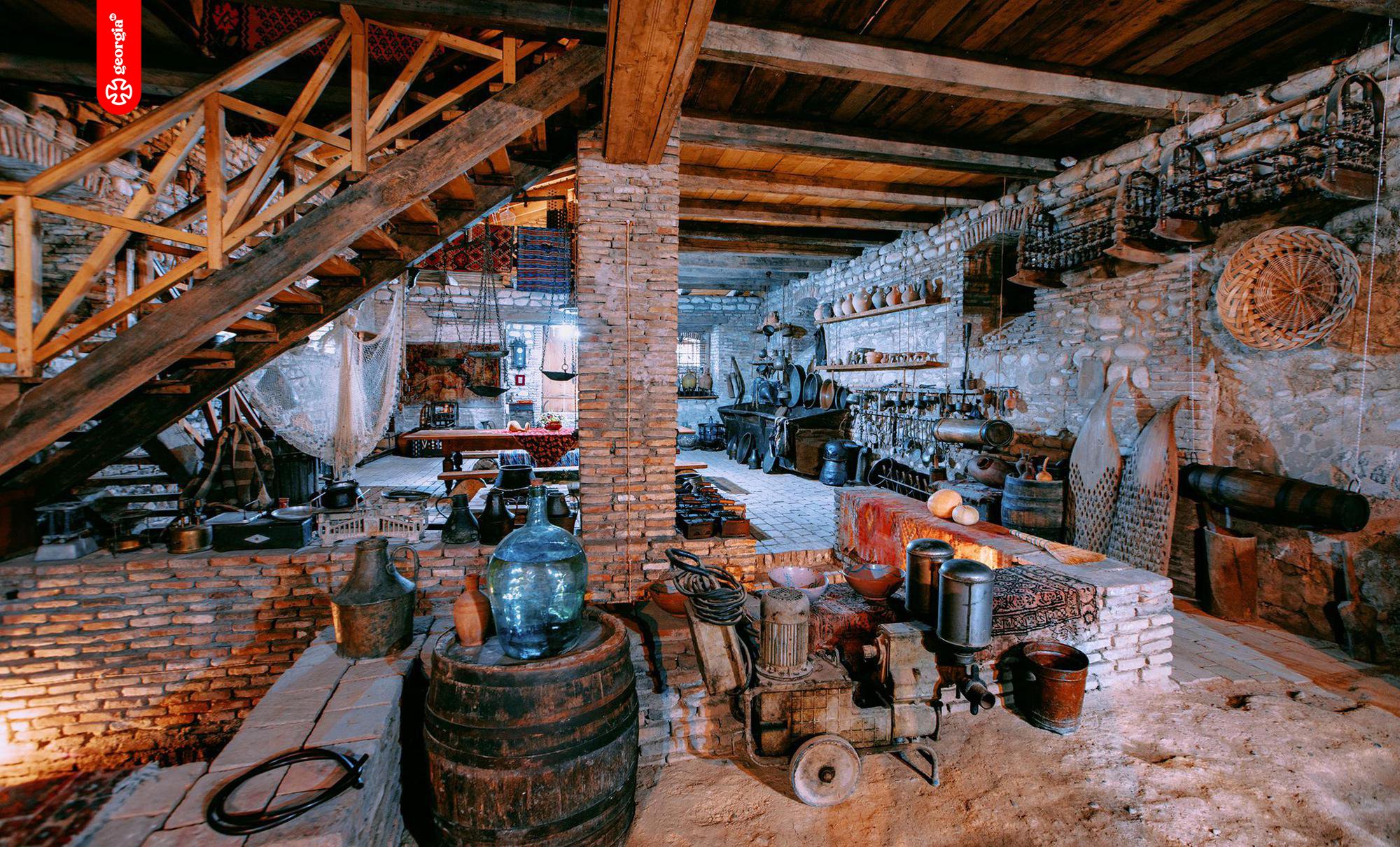
Perhaps this is why the traditional Georgian MARANI — a family wine cellar — has never been merely a storage room.
It is one of the most important spaces in the home.
A place where practical knowledge becomes family inheritance.
Children learn by watching their parents and grandparents.
How to care for the vines.
When to harvest.
How to clean a Qvevri.
When fermentation has finished.
When to close the vessel.
And, perhaps most importantly...
when not to interfere.
The knowledge rarely arrived through written instructions.
It travelled between generations.
From parent to child.
From neighbour to neighbour.
From one harvest to the next.
A factory can produce wine.
A MARANI remembers who made it.
Today, much of the international wine world is searching for ideas that sound modern.
Natural fermentation.
Minimal intervention.
Skin-contact white wines.
Indigenous grape varieties.
Clay vessels.
Wine that expresses a specific place rather than a standardized taste.
Georgia did not create these traditions to follow a movement.
It preserved them long enough for the rest of the world to become curious.
But Qvevri wine is not valuable simply because it is ancient.
Age alone does not make something extraordinary.
The tradition matters because it is still alive.
Every autumn, grapes are still harvested.
Qvevris are still opened and cleaned.
Families still gather around the press.
Children still watch.
Wine still disappears beneath the floor...
and returns months later carrying the story of an entire year.
The weather.
The harvest.
The grape.
The land.
The choices of the winemaker.
And the patience to leave all of it undisturbed.

Perhaps that is why Georgia never thought of wine as simply something inside a bottle.
Wine was already part of the family long before it was bottled.
It marked births.
Weddings.
Homecomings.
Religious celebrations.
Farewells.
It was raised during toasts to those sitting at the table...
and to those whose empty places were still remembered.
The Qvevri stood quietly beneath all of it.
Hidden from view.
Holding the wine before the wine could hold the memories.
Some traditions survive because they are protected inside museums.
The Qvevri survived because people continued using it.
Kingdoms disappeared.
Borders changed.
Factories arrived.
Technology transformed the way wine could be produced.
And still, every autumn, someone opened the circular mouth of a vessel buried beneath the floor...
filled it with the new harvest...
sealed it...
and trusted the earth once more.
Georgia does not bury its wine because it belongs in darkness.
It buries it because some things cannot be rushed into existence.
Some things need silence.
Some need patience.
And some need to disappear for a while...
before they are ready to return.
Do Not Simply Taste Georgian Wine. Follow Its Story.
September is when Georgia’s wine story becomes visible.
Vineyards fill with families.Grapes are gathered and pressed.
Qvevris are prepared for the new harvest.
And traditions usually hidden beneath the earth return to life.
For the most complete experience, there is one journey we recommend above all:

Our seven-day journey takes you far beyond ordinary wine tastings.
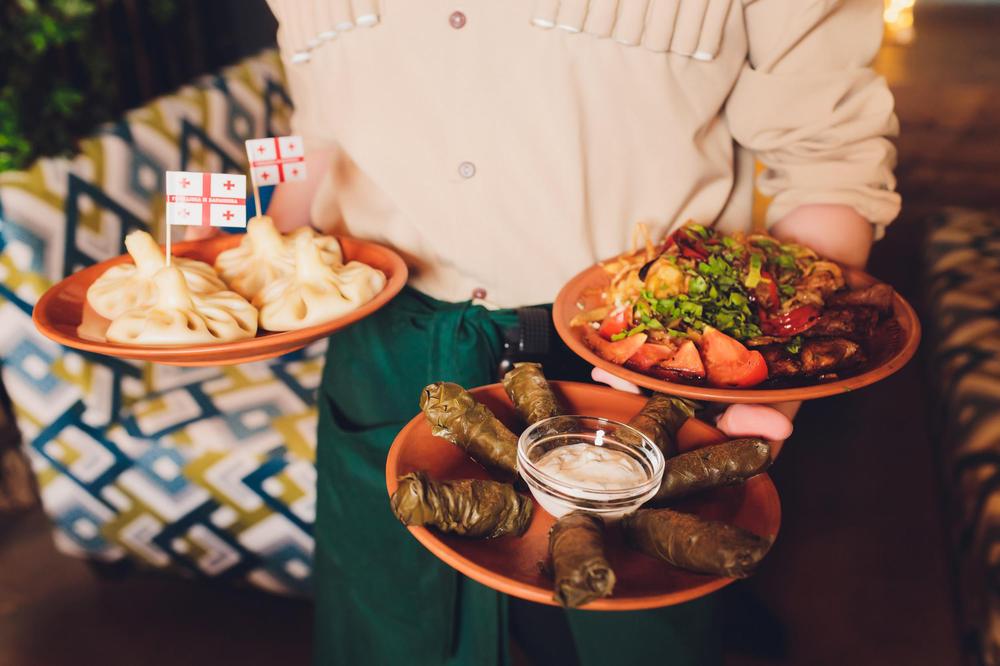
Discover the archaeological origins of Georgian wine, enter family cellars and historic estates, taste wines produced through both ancient and modern methods, explore the art of Qvevri winemaking and experience the Georgian table with the people who keep these traditions alive.
Our September 13–19 departure is already GUARANTEED.
This means the journey is confirmed and September is one of the most meaningful times to experience it, just as Georgia enters its great season of vineyards, harvests and celebration.
If you want to understand why Georgia is called the Cradle of Wine, this is the journey we recommend most.
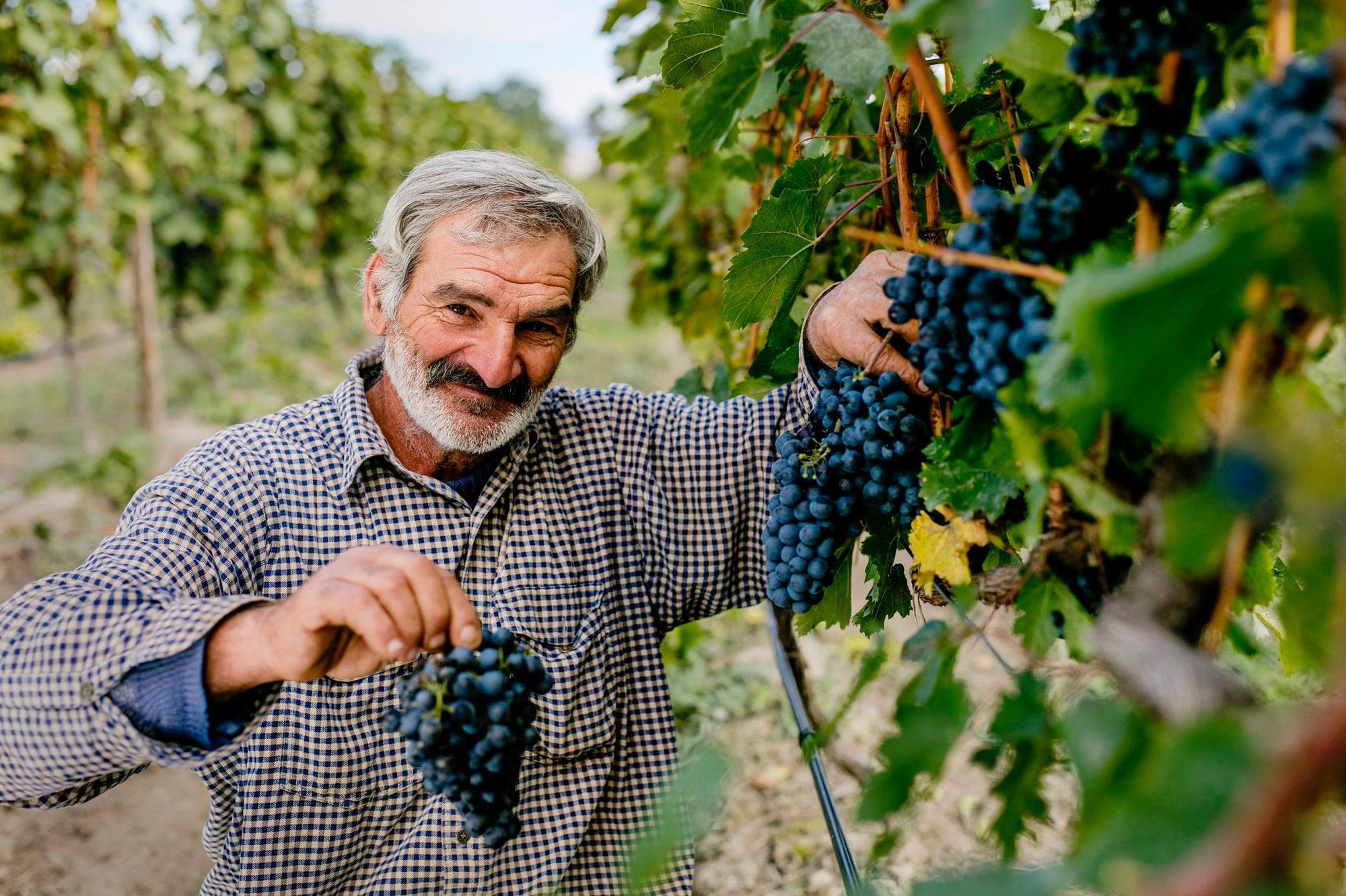
For travellers with limited time or a smaller budget, our Real Family Rtveli Experience offers an authentic and more accessible alternative.
Spend a full day with a local family during the harvest, pick and press grapes, discover how the new wine begins and gather around the table for a traditional Rtveli feast.
One day allows you to JOIN the harvest.
Two days introduce you to Georgia’s wine country.
But seven days allow you to understand why an entire civilization grew around the vine.
And that is the story waiting for you on Cradle of Wine this September.