














A few years ago, researchers working in Dublin uncovered something unexpected.
Hundreds of newspaper pages.
Dozens of publications.
More than two hundred reports.
All telling the story of one man.
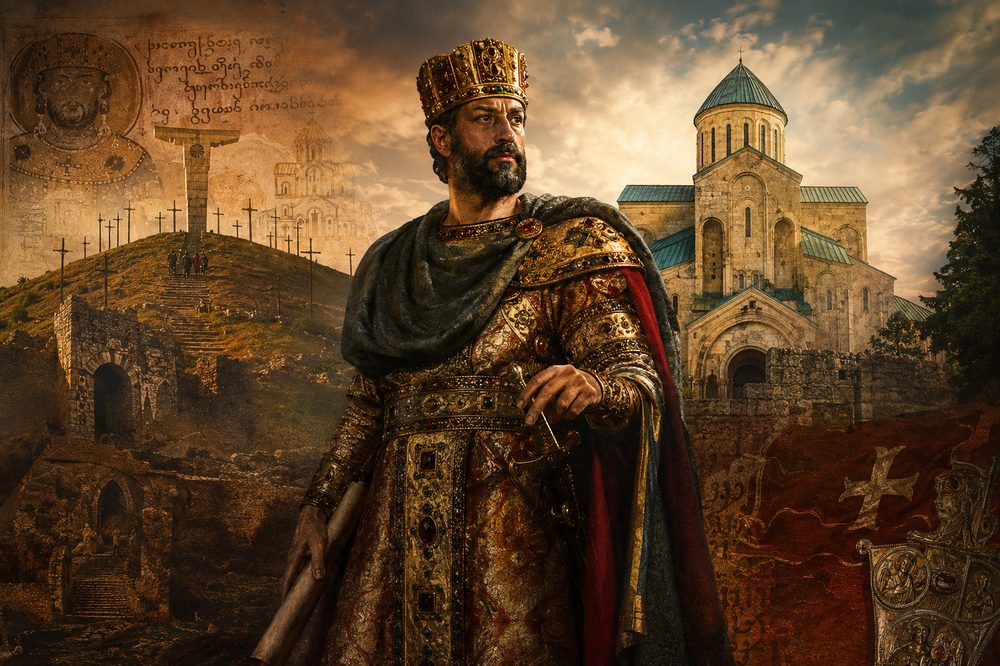
A king from Georgia.
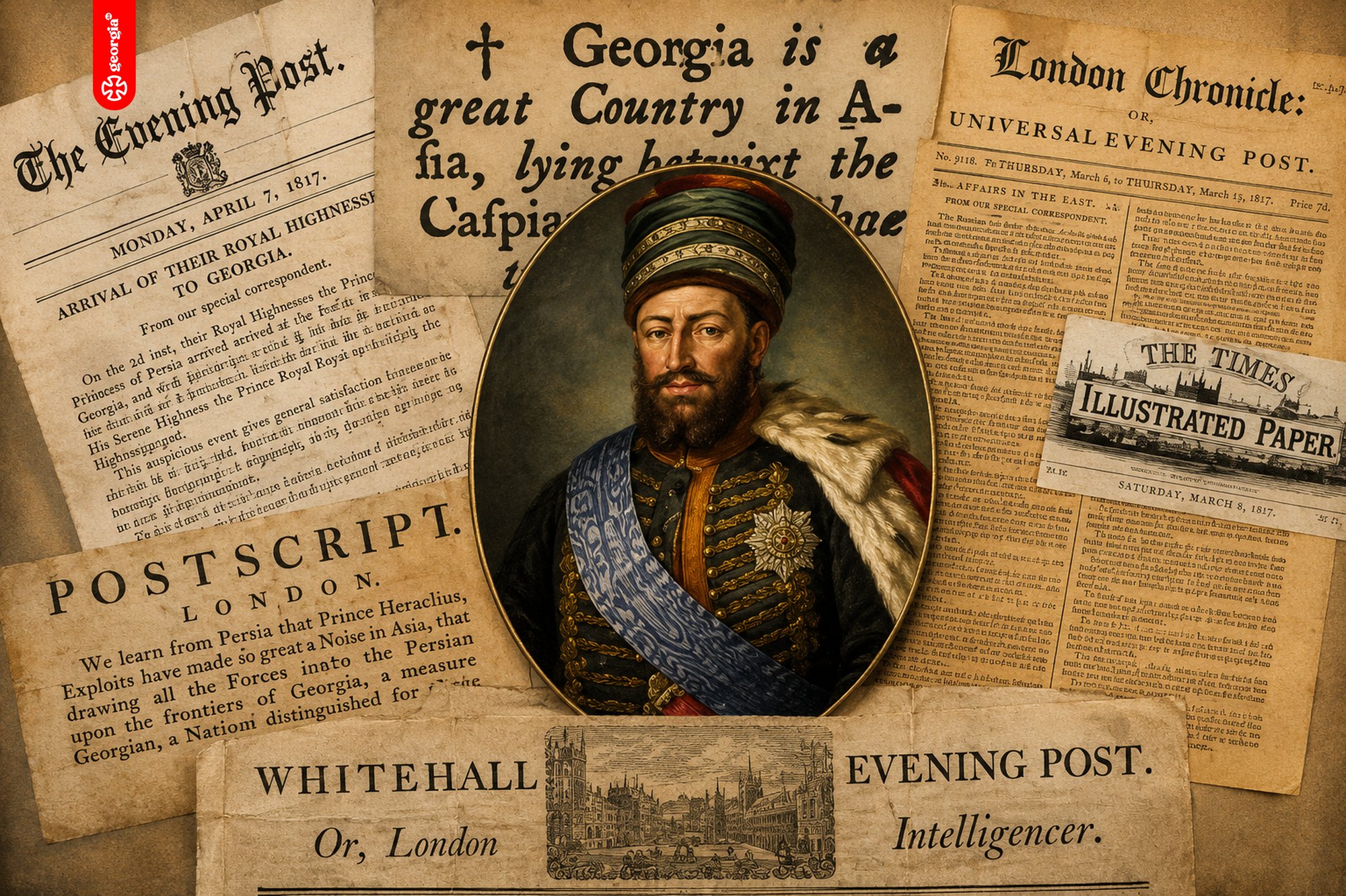
Most newspaper headlines disappear the next day.
These survived for more than two centuries.
Preserved in archives, scattered across British and Irish publications, they revealed something few people would expect today:
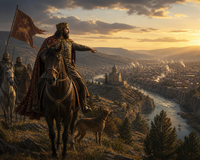
For decades, readers across Europe followed the story of King Erekle II.
Not once.
Not twice.
Again and again.
His VICTORIES.
His DIPLOMACY.
His REFORMS.
His AMBITIONS.
His LEADERSHIP.
His determination to secure a future for a small kingdom surrounded by far larger powers.
While most Georgians know Erekle as a king,
eighteenth-century Europeans saw something else.
They saw a REMARCABLE political figure.
A ruler who repeatedly appeared in international newspapers because events in Georgia were considered important enough to report.
Publication after publication followed his campaigns, alliances, negotiations and military successes.
For many readers, Erekle became one of the most recognizable rulers of the Caucasus.
A name worth printing.
A story worth following.

One British publication described him as a ruler whose COURAGE was matched by WISDOM.
Another praised his MILITARY LEADERSHIP.
Others wrote about his victories against regional rivals and the INFLUENCE he had gained throughout the region.
Some reports were so admiring that they read less like newspaper articles and more like portraits of an ideal ruler.
The image that emerges from these pages is striking.
Not merely a warrior.
Not merely a monarch.
But a statesman.
A strategist.
A leader whose actions attracted attention far beyond the borders of his own kingdom.

What makes these discoveries especially fascinating is that they challenge a common assumption.
Many people think Georgia is only now being discovered by the wider world.
Yet these newspapers tell a different story.
They remind us that centuries ago, Georgia was already part of international conversations.
Its rulers were discussed.
Its politics were followed.
Its future mattered to people far beyond the Caucasus.
The archives reveal something else as well.
Erekle II was deeply interested in connecting Georgia with Europe.
His correspondence reached European courts and leaders.
He sought alliances, exchanged letters and looked westward long before such aspirations became part of modern political conversations.
Today, those surviving documents offer a different perspective on Georgian history.
One that is broader.
More connected.
And perhaps more international than many people realize.
Most headlines are forgotten.
Most newspapers eventually disappear.
But every so often, history leaves behind a trace.
A stack of old pages.
A forgotten archive.
A name that keeps appearing again and again.
And when historians opened those pages in Dublin, they discovered something remarkable:
Long before modern guidebooks, long before tourism campaigns, long before social media,
Europe already knew the name of a Georgian king.
And it never stopped writing about him.
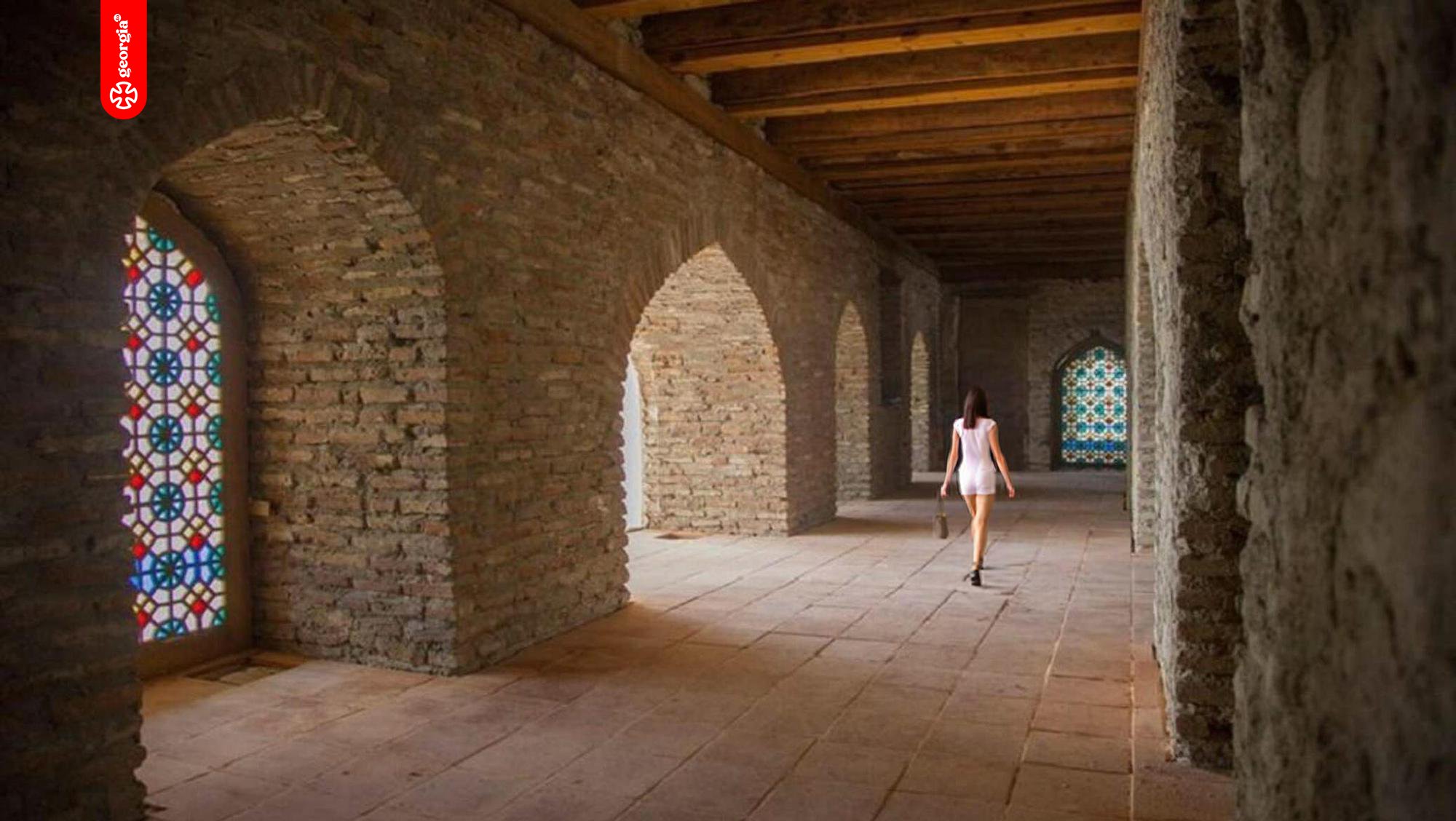
And if you visit his palace in Telavi today, you can still feel something of the man who once captured Europe's attention.
Not in the newspapers.
But in the walls that remember him.