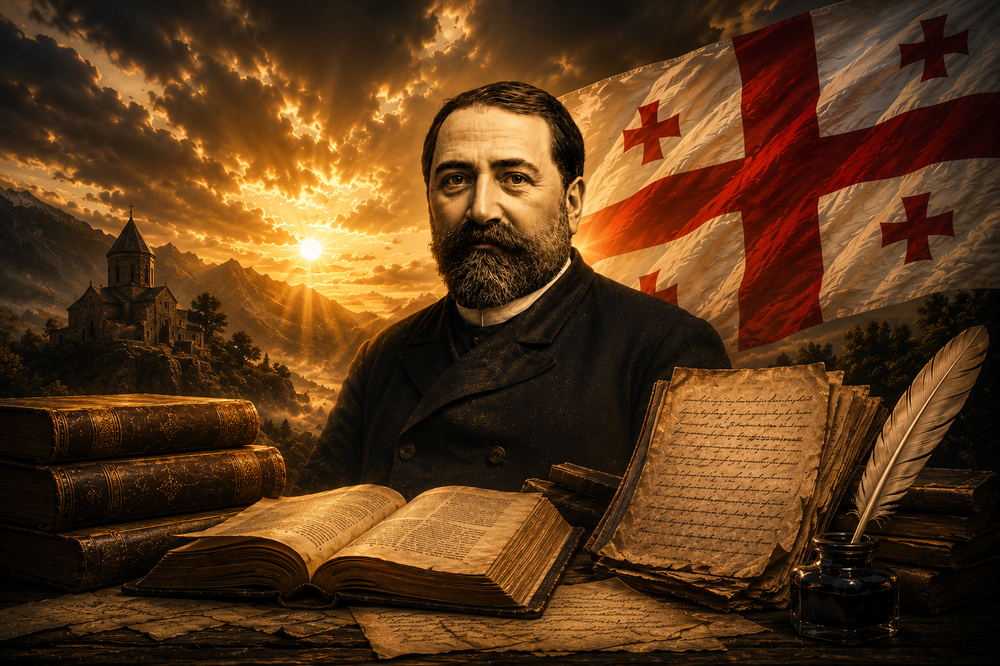
















There are kings who inherit greatness.
And there are kings who create it.
David IV belongs to the second kind.
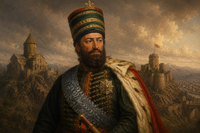
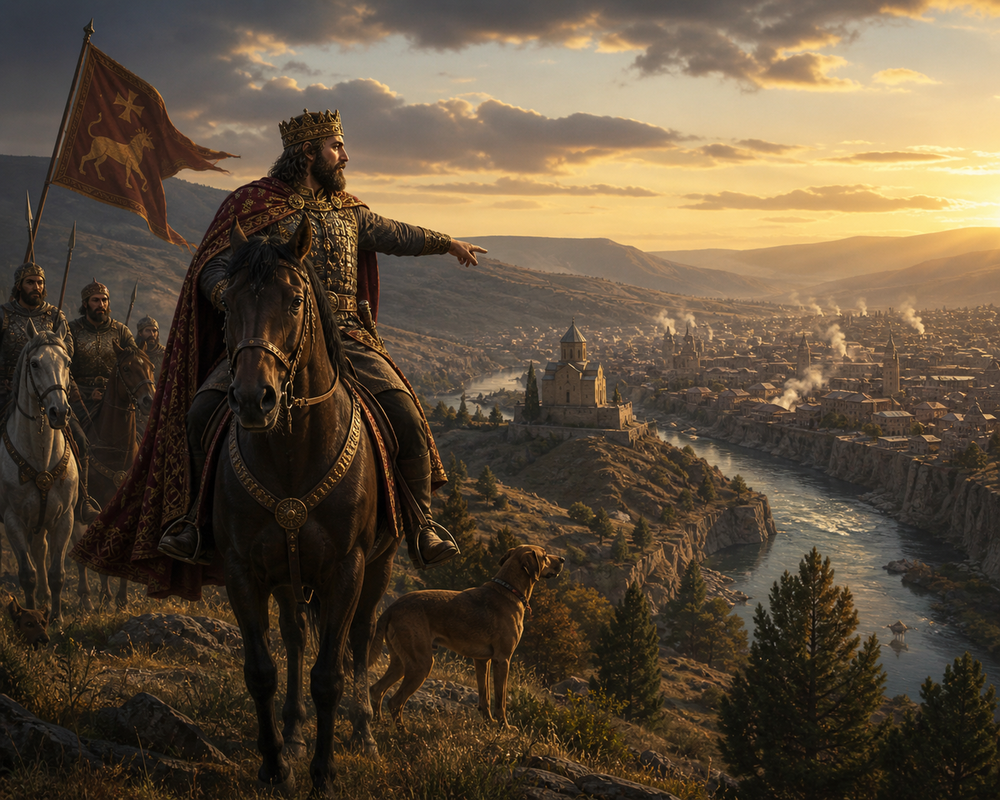
When he became king in 1089, he was only sixteen years old.
Most people at sixteen are still discovering who they are.
David inherited a country that was fighting simply to survive.
Much of Georgia had been devastated.
Villages stood abandoned.
Powerful nobles challenged the crown.
The Seljuk Empire dominated the region.
Many believed Georgia's greatest days were already behind her.
Yet history remembers this sixteen-year-old not simply as King David.
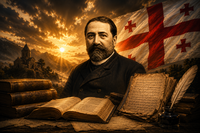
It remembers him as David the Builder.
Except...
No translation can quite capture what Georgians mean.
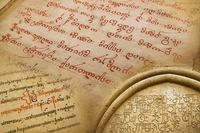
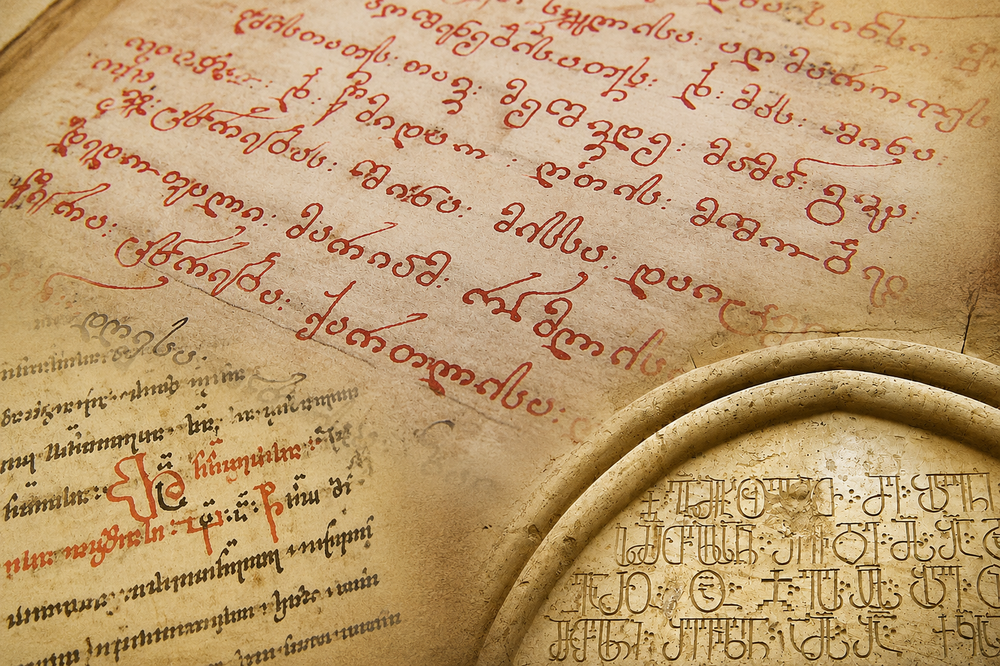
In Georgian, his title is აღმაშენებელი — Aghmashenebeli.
It is often translated as "the Builder."
But its meaning reaches much deeper.
It describes someone who does not merely build walls or cities.
It describes someone who restores what has been broken...
revives what was fading...
and gives life to something that seemed beyond saving…
That is why Georgians have never remembered David simply as a successful ruler.
We remember him as the man who REBUILT THE NATION.
He rebuilt an army.
He rebuilt institutions.
He strengthened justice.
He reformed the Church.
He encouraged education.
He revived trade.
He united a divided kingdom.
He transformed a country struggling to survive into one of the strongest kingdoms of the medieval world.
He wasn't building monuments.
He was building a future.
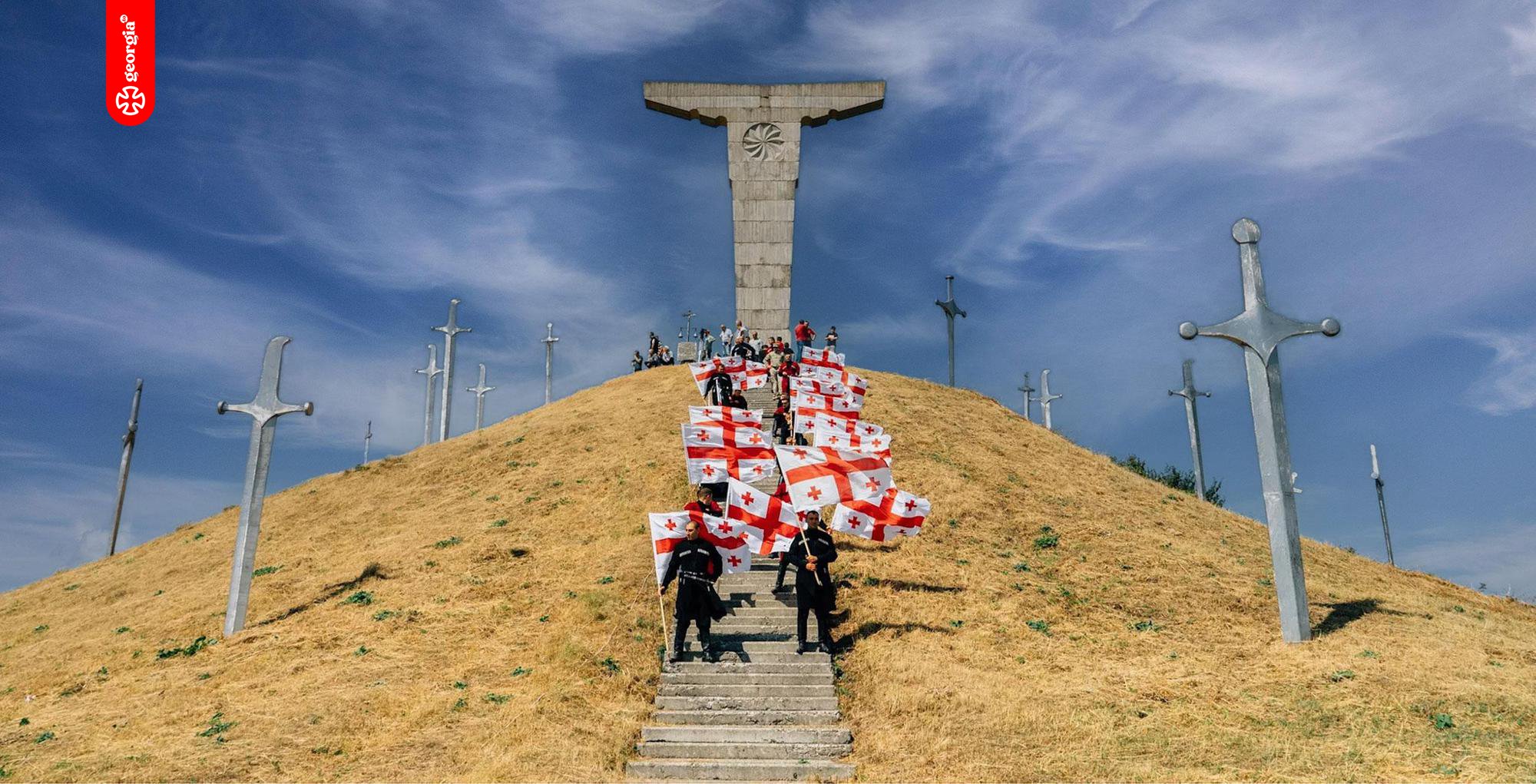
His greatest victory came in 1121, at the Battle of Didgori.
Against overwhelming odds, David led an army that defeated a vastly larger coalition force.
Even today, Georgians simply call it:
ძლევაჲ საკვირველი — "The Miraculous Victory."
It is said that, before the battle David ordered that the roads behind his army be blocked.
There would be no retreat.
Only victory.
Or sacrifice.
For Georgians, Didgori was never just a military triumph.
It became proof that COURAGE can change the fate of an entire nation.
But perhaps David's greatest achievement was not the battle he won.
It was the peace he built afterwards.
He understood something timeless:
A country cannot become truly strong through victories alone.
It must also become WISER.
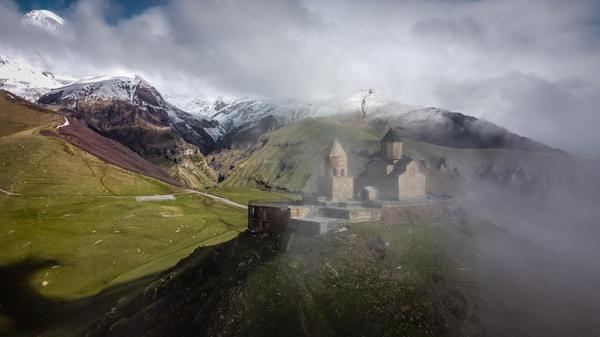
So he founded Gelati Academy.
Medieval scholars would later call it the "New Athens" and the "Second Jerusalem."
It became one of the greatest centers of learning in the medieval world.
A place where philosophy stood beside theology.
Where science lived beside faith.
Where knowledge became part of statecraft.
Because David believed that ideas could strengthen a kingdom just as surely as armies could.

His vision reached far beyond Georgia itself.
While much of Europe was fighting its own battles, medieval chroniclers described David's Georgia as one of the eastern strongholds resisting the Seljuk advance. Georgia became an important ally in the wider struggle reshaping the medieval world, earning respect far beyond the Caucasus.
History often remembers the front lines.
Far fewer remember those who held them.
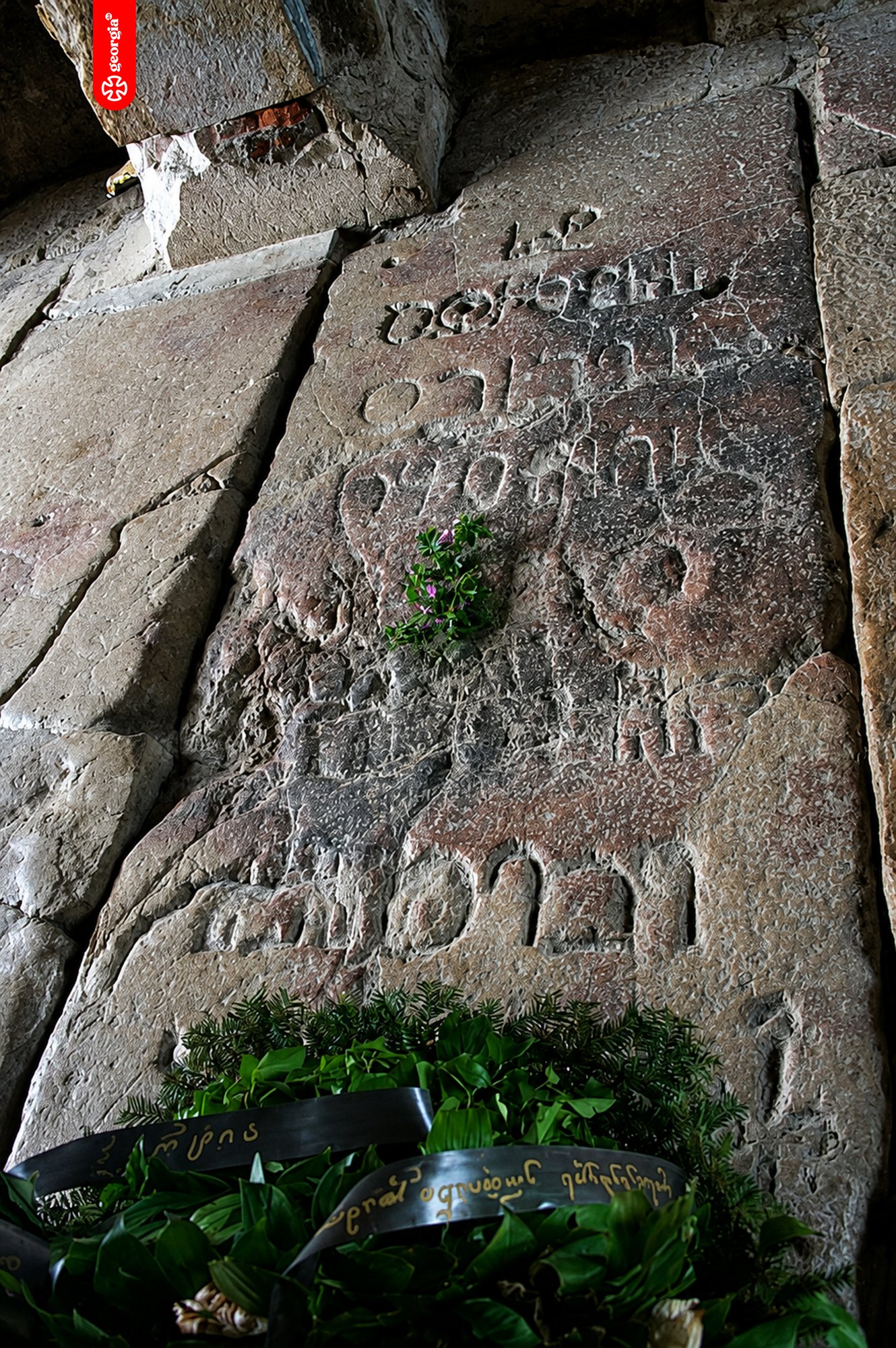
When David died in 1125, he made one final request.
He asked to be buried at the entrance of Gelati Monastery, beneath the path where every visitor would walk.
Not beneath a magnificent mausoleum.
Not above the people he had ruled.
But beneath their footsteps.
As if wishing to continue serving his country even after death.
Today, the original burial place remains one of the most moving places in Georgia. Although his remains were later moved, the stone at Gelati still symbolizes the humility that became part of his legacy.
Few rulers have ever left behind a monument more powerful than that.
David's achievements did not end with his own reign.
They became the foundation upon which his great-great-granddaughter, King Tamar, would later build what is remembered as Georgia's Golden Age.
The Golden Age did not begin with Tamar.
It began with the foundations David had already laid.
Today, nearly every Georgian knows his story.
Children learn about him in school.
His portrait hangs in classrooms.
The country's longest avenue bears his name.
He has been canonized by the Georgian Orthodox Church as Saint King David IV the Builder.
His victories are remembered.
His words are remembered.
His vision is remembered.
Not because Georgians simply admire history.
But because some people never truly become part of the past.
They become part of a nation's identity.
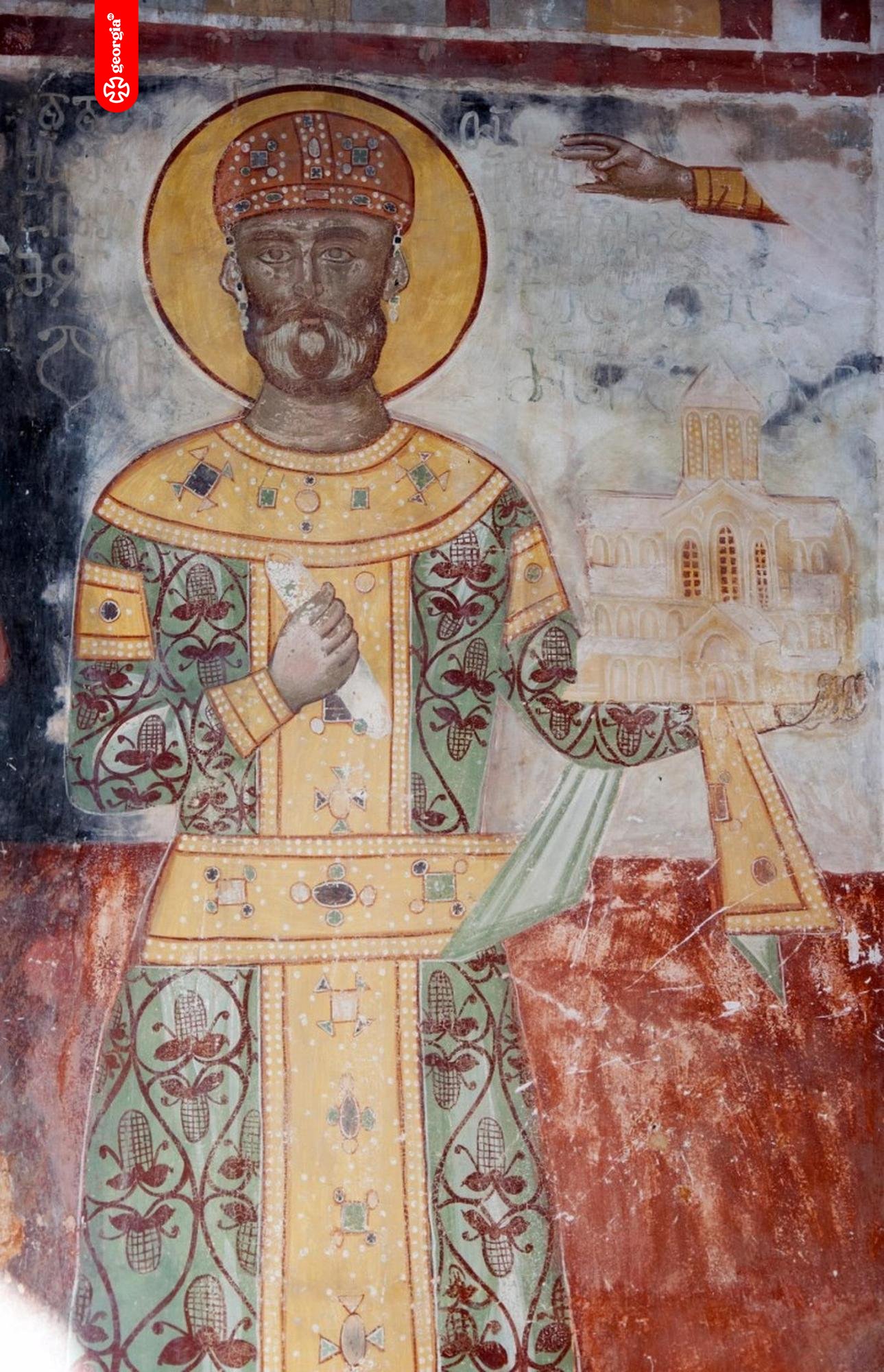
Some rulers leave behind monuments.
Some leave behind victories.
David left behind a country that still calls him აღმაშენებელი.
Because what he built was never only castles...
or cities...
or armies.
He rebuilt belief.
When David became king,
survival was the greatest ambition Georgia could have.
When he died,
survival was no longer the question.
Greatness was.
Perhaps that is why, nearly nine centuries later, Georgians do not remember David IV simply as a successful king.
We remember him as the man who proved that nations are not rebuilt stone by stone.
They are rebuilt vision by vision...
generation by generation...
courage by courage…
And perhaps that is why his title still feels impossible to translate.
Because აღმაშენებელი was never just what David did.
It became who he was.